


The mechanical key (Key), as one of the most common methods for connection and torque transmission, is widely used in various rotating components, especially in the connections between gears, pulleys, couplings, and shafts, where it holds a central position. Despite its simple structure, the tolerance fit between the key and the keyway directly affects the reliability, lifespan, and ease of disassembly and maintenance of the entire transmission system.
The mechanical key transmits the torque between the keyway on the shaft and the keyway on the hub.
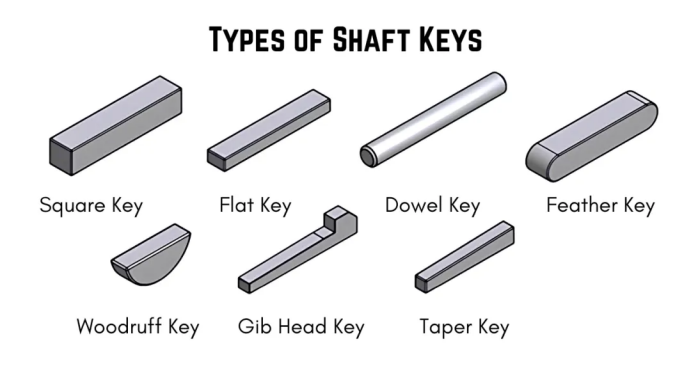
f
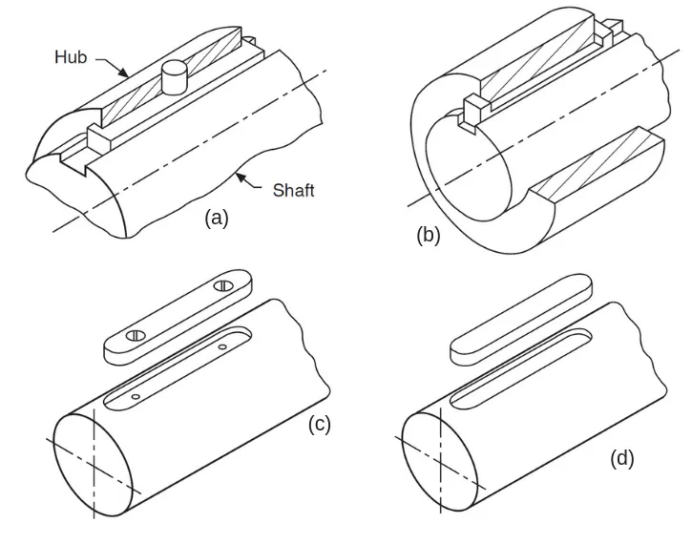
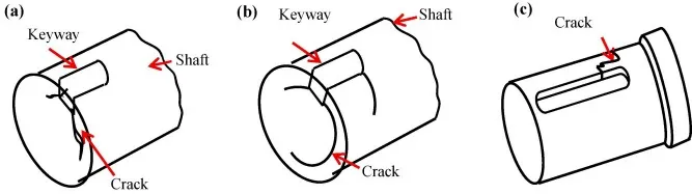
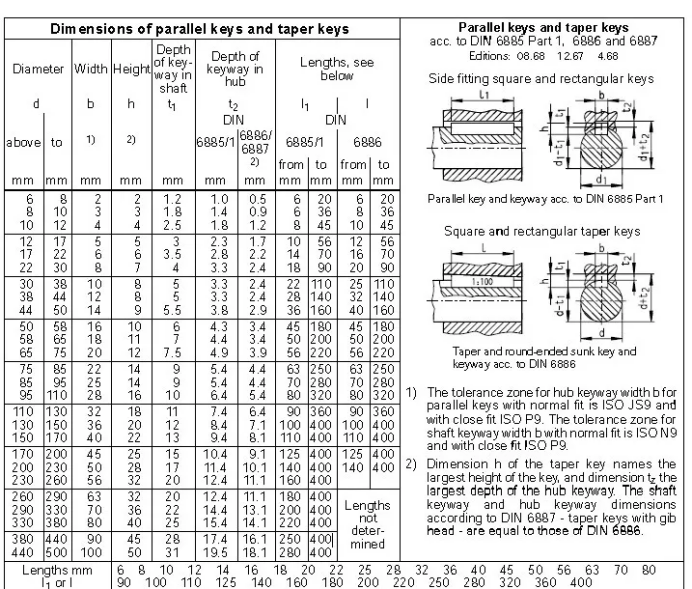
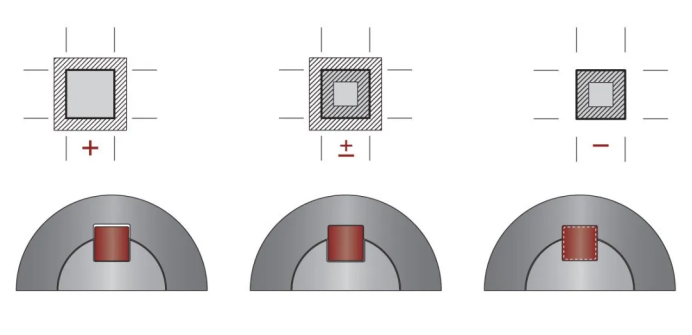
Key width b and shaft keyway width (Js9)
Key width b and hub keyway width (H9)
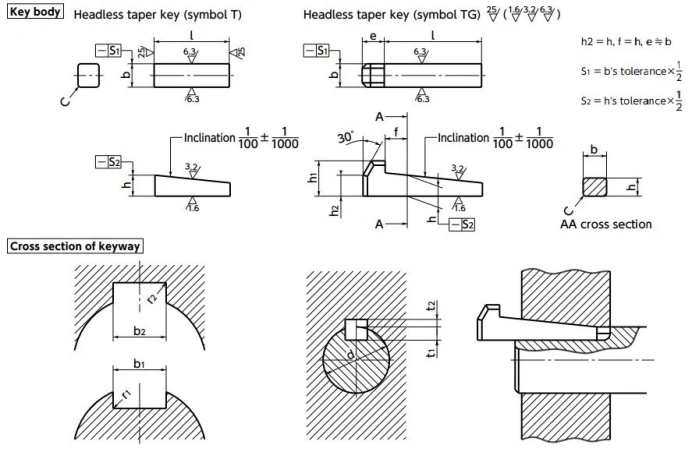
Key height h is the depth of the shaft groove + the depth of the hub groove
✅ The keyway of the hub is designed as a transition fit. ✅ The keyway of the hub is designed as a clearance fit
This combination makes the key and shaft close to each other, avoiding slipping, while the key and hub have a slight gap, which is easy to assemble and does not stick due to thermal expansion.
Torque T=pressure x contact area x acting radius
The contact area is equal to the key height times the effective length (L). Therefore, if you want to improve the torsional transmission capacity, you should:
Double bond arrangement (180 symmetric)

Due to the difference in thermal expansion coefficient between keys, shafts and hubs made of different materials, additional interference or clearance is easy to occur under high temperature conditions, so compensation should be made in advance in tolerance.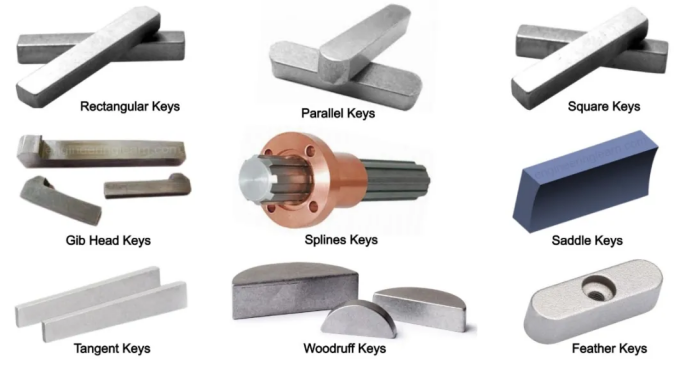
Instance analysis: 8 x 7, flat key fit setting reference
Key width b=8mm
Keyway width Js9 → 8 +0/-0.025 mm
Hub groove width H9 → 8 +0.043/-0 mm
Minimum gap=0.018 mm to ensure smooth assembly and no shaking
Rounding: Both ends of the key and the entrance of the keyway need to be rounded to avoid biting when inserted.
Lubrication to prevent jamming: the installation stress can be reduced by using assembly grease in appropriate amounts to avoid metal biting.
Loosening design: high impact load is recommended to use a retaining washer or a split pin to fix the key.
Avoid hammering installation: strong knocking is easy to cause shaft deformation or stress concentration, so transitional pressing or cold contraction should be used.
✅ Tolerance and fit design is not just about "dimensions," but also a matter of "reliability decision."
✅ In mechanical key connections, the shaft keyway should be slightly tight, while the hub slot should be slightly loose. This ensures both resistance to rotation and ease of assembly and disassembly.
✅ After determining the transmission scheme, it is essential to consider load, temperature rise, material differences, and assembly requirements comprehensively to tailor the tolerances.
✅ When selecting standardized components, try to use the key sizes and fit grades recommended by standards such as GB/T 1096 and ISO 2491.


